From education and employment to healthcare and financial services, digital access has currently ceased from being a luxury, it”s a necessity which plays a critical role in individual empowerment and economic growth. Yet, in many refugee-hosting communities across Uganda, digital exclusion remains a major challenge due to limited infrastructure, lack of affordable digital devices, unreliable electricity, and inadequate digital literacy programs.
Recognizing this urgent need, National Information Technology Authority -Uganda (NIITA-U), with support from the World Bank under the Uganda Digital Acceleration Project (UDAP), commissioned Eight Tech Consults Ltd to conduct a comprehensive study on Digital Access Enablers in Refugee-Hosting Districts (RHDs). The study aims to assess digital infrastructure gaps, accessibility challenges, and opportunities to improve digital inclusion for both refugees and host communities.
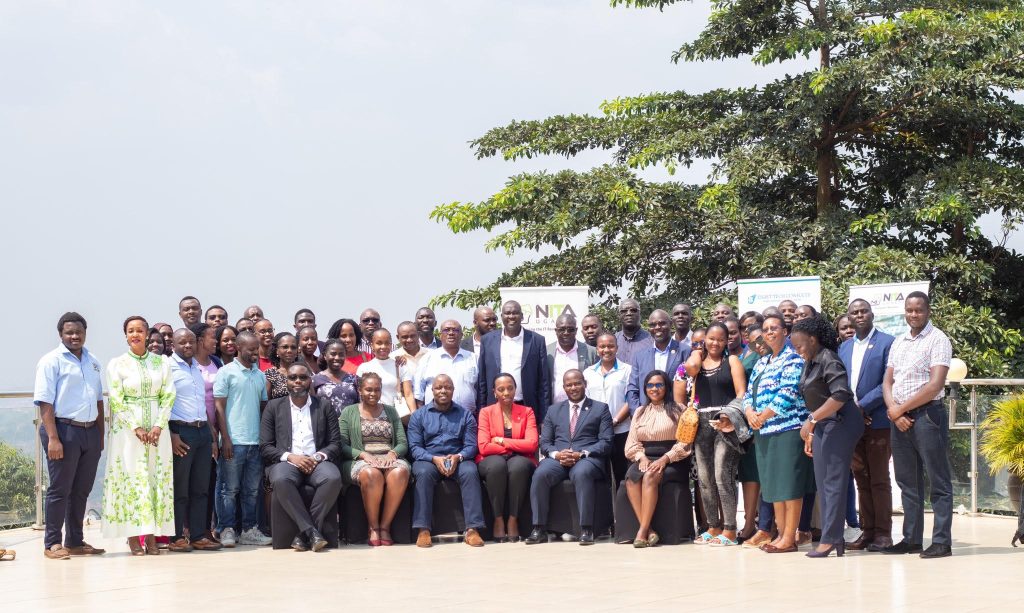
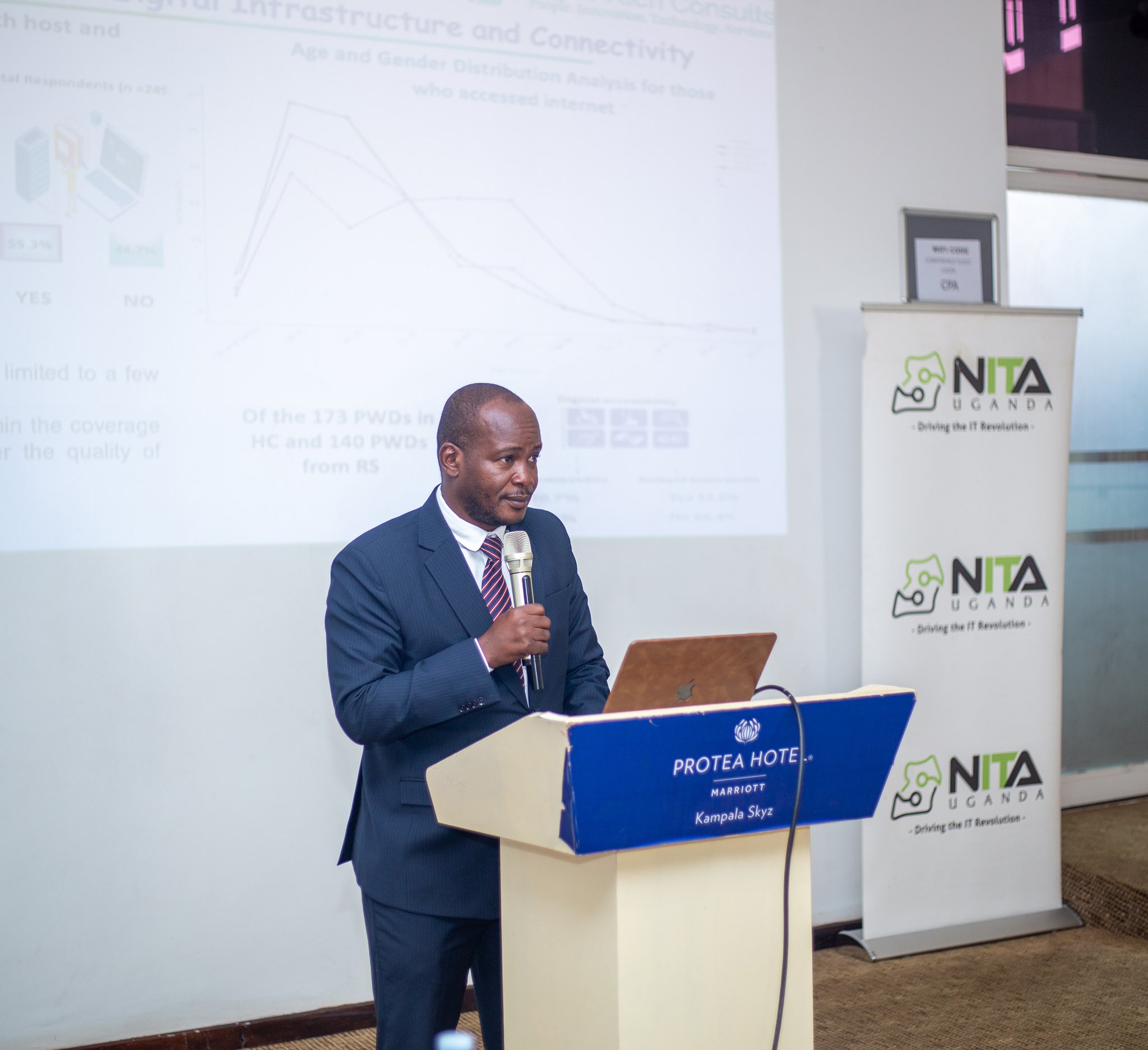
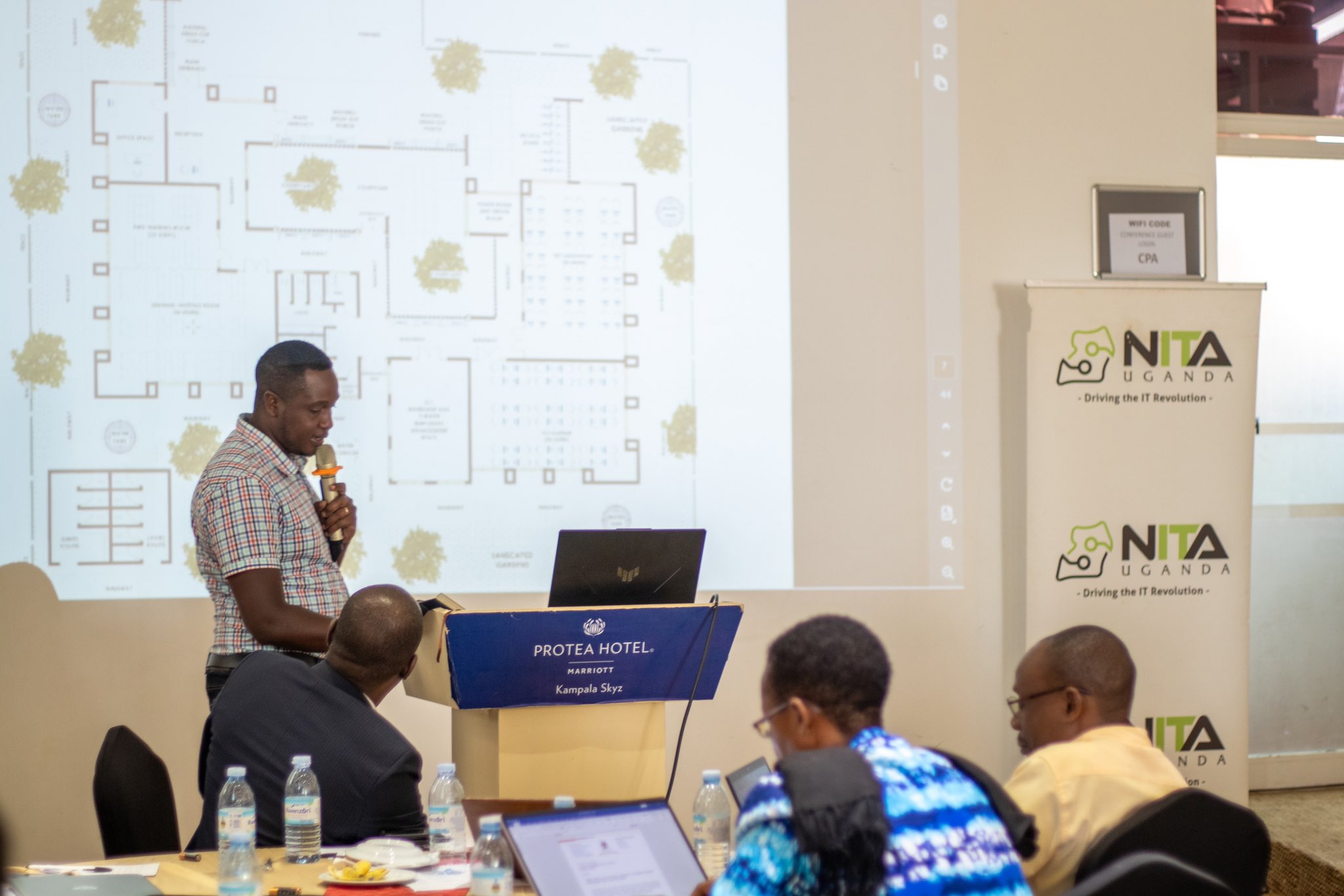
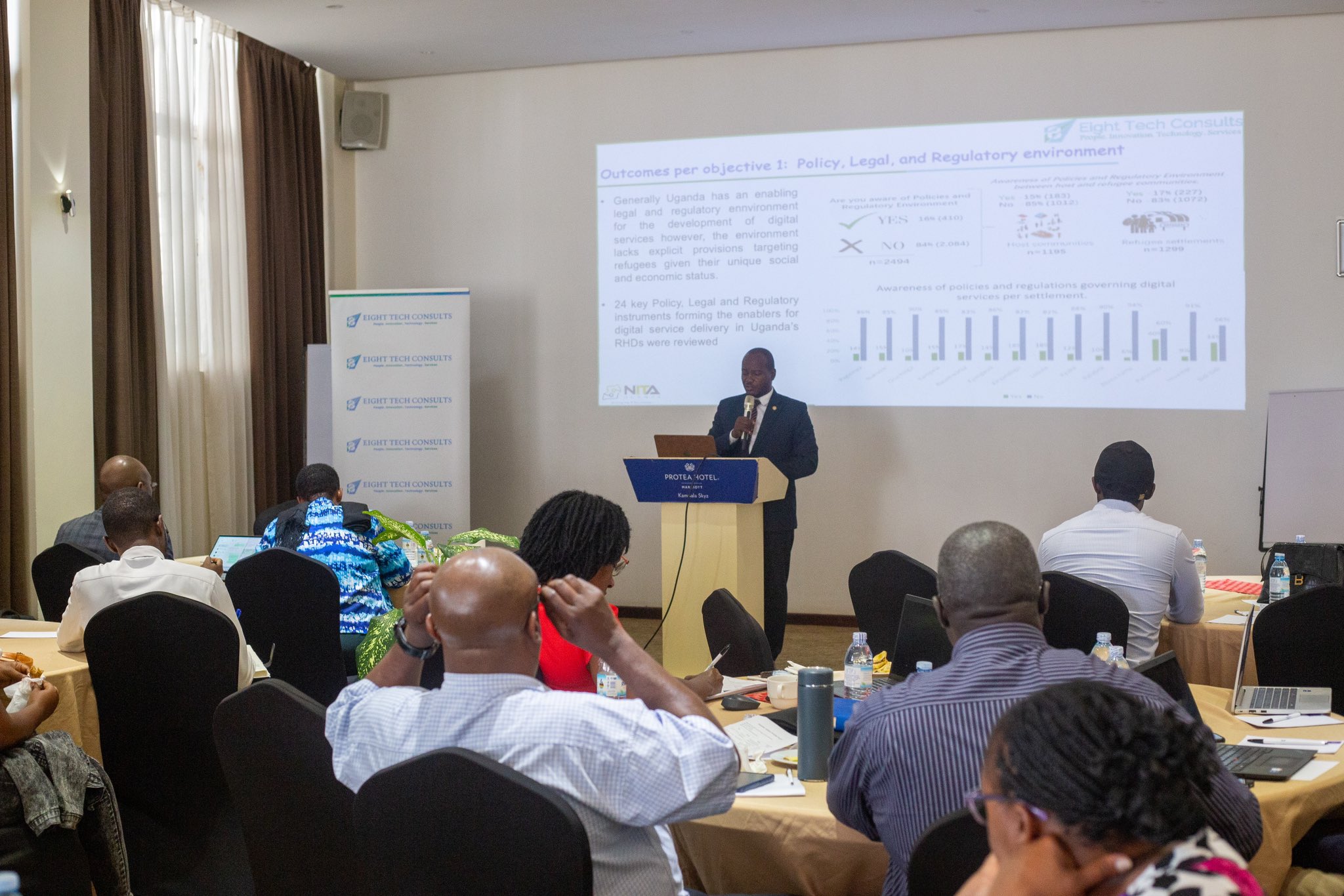
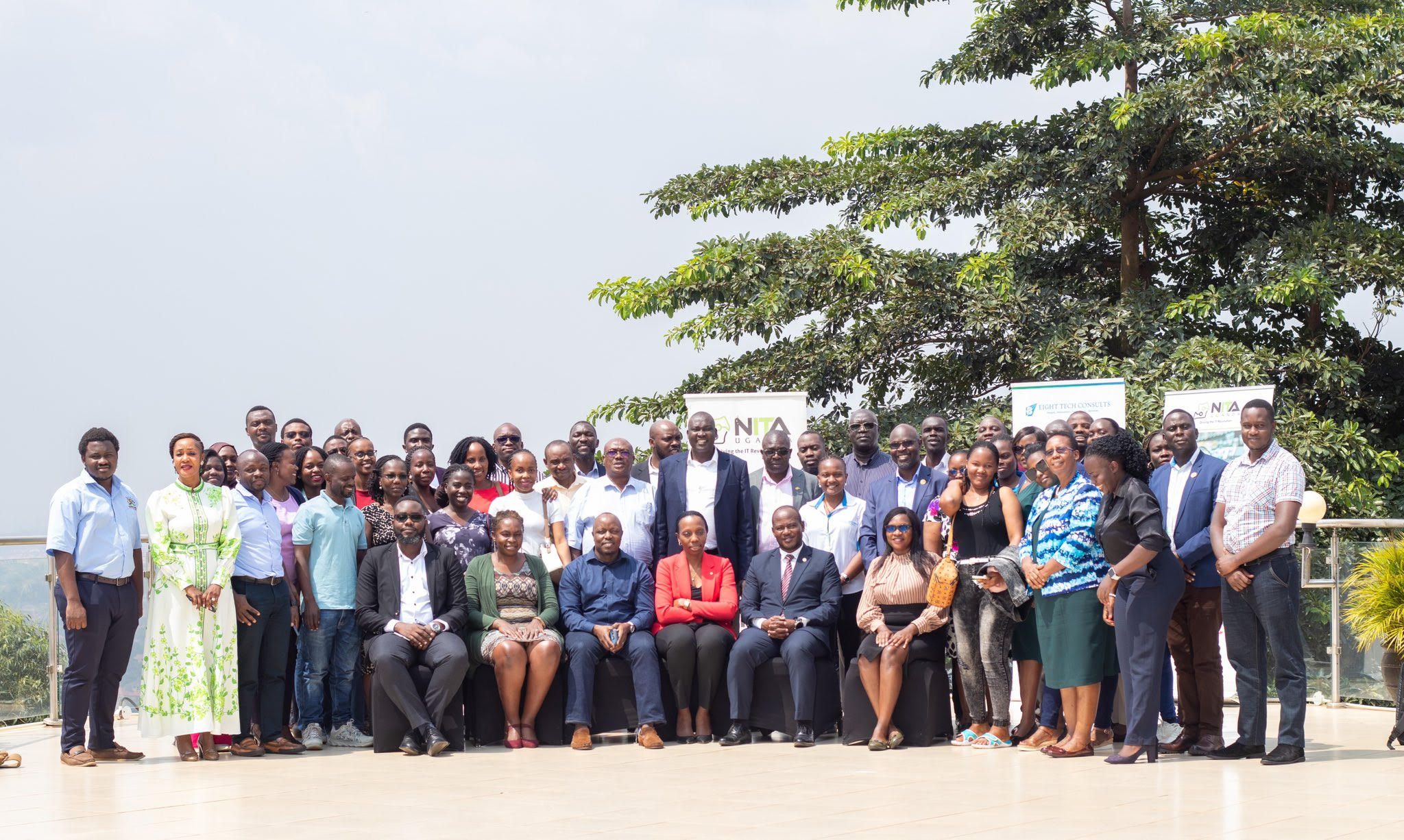
As part of the study, a Stakeholder Validation Workshop was recently held to discuss key findings and refine recommendations to ensure practical, sustainable solutions for digital transformation in Uganda’s RHDs.
Understanding the Digital Access Landscape in Uganda’s Refugee-Hosting Districts.
Uganda is home to over 1.7 million refugees, making it the largest refugee-hosting country in Africa. Under the Comprehensive Refugee Response Framework (CRRF), Uganda has committed to integrating refugees into its national development plans. However, despite this progressive policy, digital inclusion remains a challenge for both refugees and host communities.
Key Findings from the Study
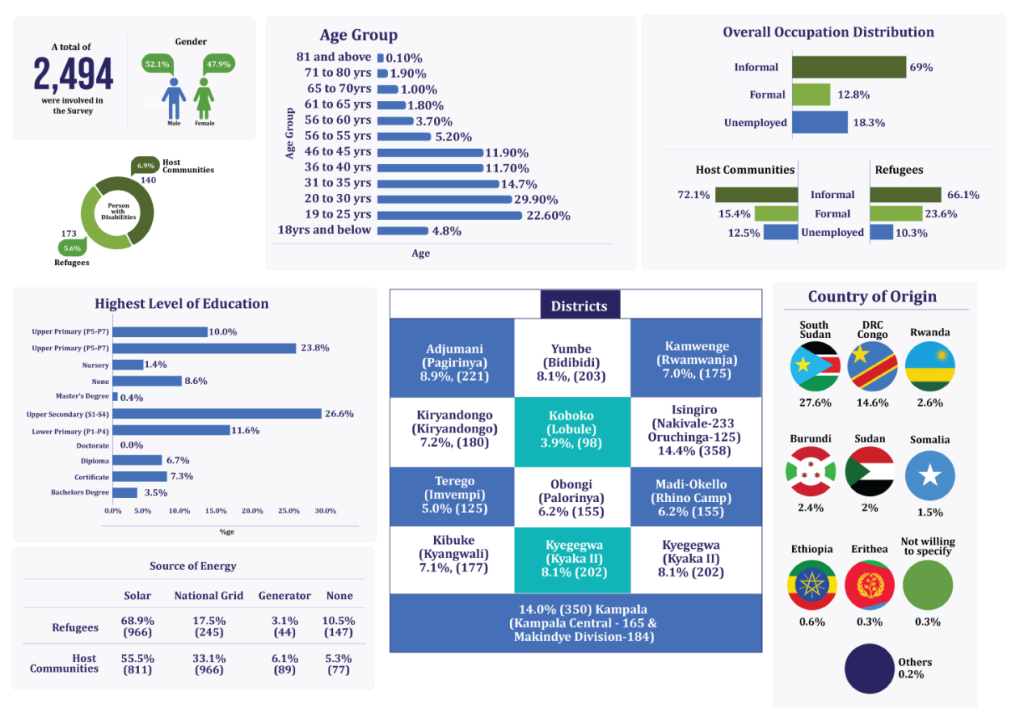
Limited Internet Connectivity: Most refugee settlements rely on 3G networks, but service quality is poor, and affordability remains a significant barrier. Many settlements lack access to broadband and high-speed internet.
Unreliable Electricity Supply: Access to electricity is often limited to district offices, leaving the majority of refugee communities without consistent power to charge devices or access digital services.
Low Digital Literacy Levels: 72% of respondents emphasized the urgent need for ICT training and e-learning platforms. Many refugees, particularly women and youth, lack the digital skills needed to benefit from online opportunities.
Policy Gaps: While Uganda has an enabling policy framework for digital services, the study found that there are no explicit provisions targeting refugee digital inclusion, limiting their ability to fully participate in the digital economy.
E-Waste Management Challenges: With limited recycling facilities, digital devices in refugee settlements are often disposed of improperly, leading to environmental and accessibility concerns.
The Role of Digital Service Uganda Centers
To address these challenges, the study highlights the feasibility of establishing Digital Service Uganda Centers (DSUCs) across all 13 refugee-hosting districts. These centers will serve as community hubs for:
- ICT training & digital literacy programs
- Internet access & e-government services
- Affordable access to digital devices
- E-waste recycling & sustainable tech solutions
The Way Forward: Recommendations for Digital Inclusion
To create a truly digitally inclusive Uganda, the study provided clear recommendations for key stakeholders like:
- Expand Digital Infrastructure: Strengthen broadband access, improve network reliability, and integrate solar-powered solutions in off-grid areas.
- Strengthen Digital Policies: Develop explicit legal provisions that ensure refugee communities are included in national digital strategies.
- Promote Digital Literacy & Training: Establish ICT training programs tailored to refugees, women, youth, and Persons with Disabilities (PWDs).
- Make Digital Devices Affordable: Partner with NGOs and private companies to offer subsidized or loaned digital devices to low-income communities.
- Implement Sustainable E-Waste Solutions: Set up recycling programs to prevent environmental hazards and promote responsible device disposal.
A Call to Action: Building a Digitally Inclusive Future
Digital inclusion is not just about providing technology, it’s about empowering communities to use it effectively for economic and social development. The findings of this study provide a critical roadmap for ensuring that no one is left behind in Uganda’s digital transformation.
As stakeholders validate and refine these recommendations, it is crucial for government agencies, development partners, private sector players, and community leaders to work together to turn these insights into real, impactful solutions.
The implementation of Digital Service Uganda Centers and other proposed interventions will play a transformative role in shaping Uganda’s digital future. The time to act is NOW.